

Quick answer
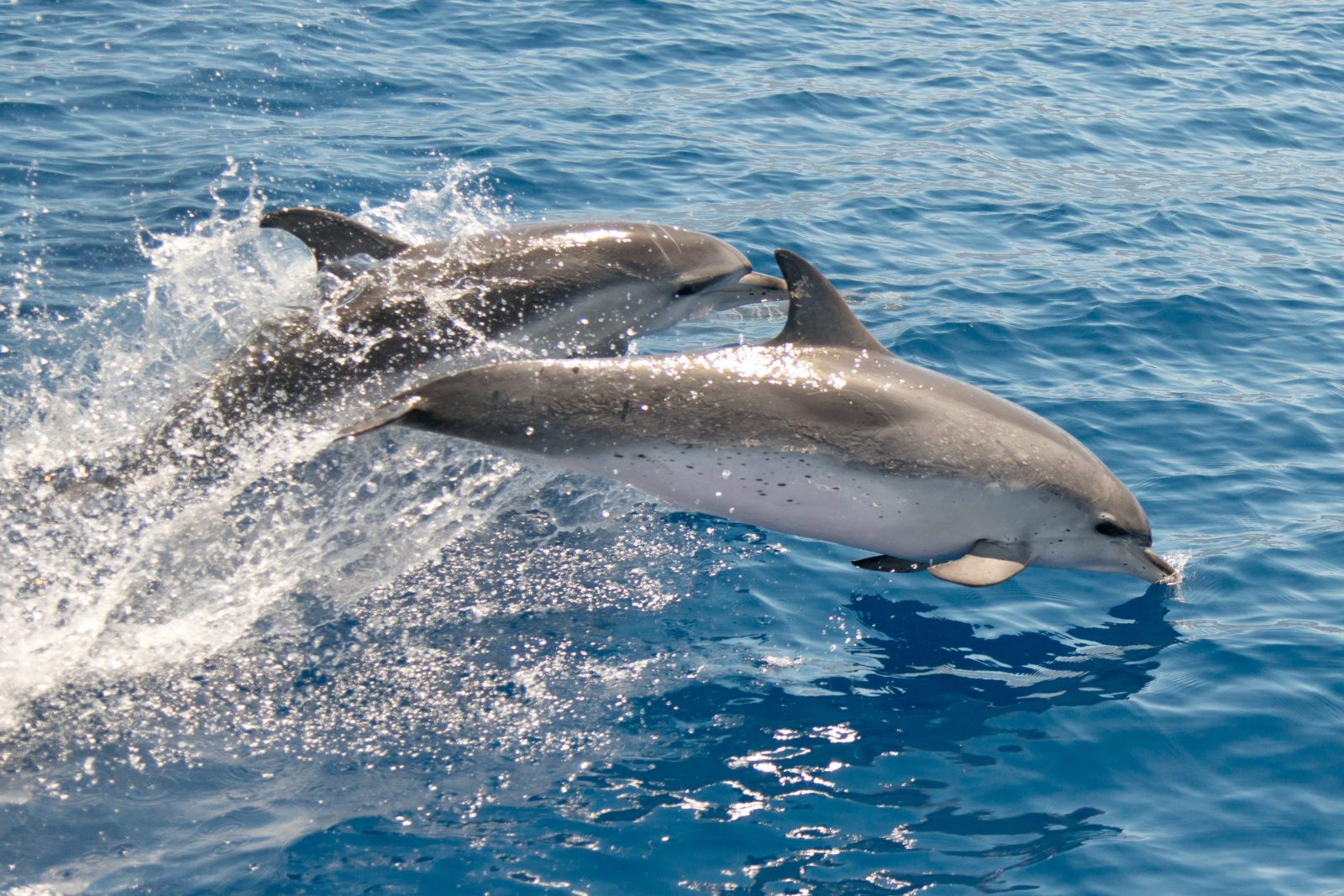
Yes, there are dolphins in Gran Canaria. The Atlantic Ocean surrounding the island hosts resident populations of bottlenose dolphins and short-finned pilot whales, plus seasonal visitors including Atlantic spotted dolphins. Sighting success rates exceed seventy percent on dedicated boat trips, with calmer morning sea conditions between 09:00 and 12:00 offering the most reliable encounters.
The channel between Gran Canaria and Tenerife reaches depths exceeding one thousand metres within five kilometres of shore, creating upwelling zones that concentrate prey species and draw cetaceans close to the coast. This submarine topography sustains one of Europe's most accessible dolphin-watching environments, with no admission fee required to access the open Atlantic waters where sightings occur. Bottlenose dolphins form the backbone of local cetacean populations, with family pods numbering eight to fifteen individuals hunting along the island's southwestern shelf. Short-finned pilot whales—technically a dolphin species despite their common name—occupy deeper offshore zones and surface in tight matriarchal groups. Atlantic spotted dolphins appear primarily between May and October, following warm-water currents northward from African waters. Rough-toothed dolphins and Risso's dolphins represent rarer sightings, recorded during extended offshore transects beyond the twenty-kilometre range most tour operators patrol. Whether you can see dolphins around Gran Canaria depends less on season than on sea state and departure timing. The Canary Islands sit within the trade-wind belt, where consistent northeasterly breezes calm during morning hours before intensifying after midday. Observers departing between nine and noon encounter glassier conditions that reveal dorsal fins, blows and surfacing behaviour at greater distances. Spring and autumn months coincide with plankton blooms that elevate baitfish abundance, indirectly increasing surface activity as dolphins herd prey into tighter concentrations. The island's southwestern ports—Puerto Rico, Puerto de Mogán, and Pasito Blanco—serve as the primary departure points for cetacean-watching excursions. Vessels range from rigid inflatables carrying twelve passengers to catamarans accommodating eighty, with trip durations spanning ninety minutes to five hours. Sighting guarantees do not exist, but multi-year datasets compiled by marine-biology organisations place encounter probabilities above seventy percent for bottlenose dolphins and above fifty percent for pilot whales during optimal conditions. No constructed facility or enclosed habitat is involved; all encounters occur with free-ranging animals in open Atlantic waters, subject to natural behaviour patterns and environmental variables beyond human control.
“The channel between Gran Canaria and Tenerife reaches depths exceeding one thousand metres within five kilometres of shore, creating upwelling zones that concentrate prey species and draw cetaceans close to the coast.”
Are There Dolphins in Gran Canaria? Natural Habitat Overview
Dolphins found around Gran Canaria are wild animals inhabiting the Atlantic Ocean rather than captive attractions. The archipelago provides a diverse marine environment that supports several distinct species throughout the year.
At least 28 different species of cetaceans have been documented in the Canary Islands, making these waters a significant area for marine biodiversity. Common residents and visitors include dolphins, whales, and porpoises.
Bottlenose dolphins are common
The common bottlenose dolphin (Tursiops truncatus) is frequently sighted near the coast of Gran Canaria. These animals are known for their social behavior and often interact within groups in these temperate waters.
Atlantic spotted dolphins thrive
Stenella frontalis, known as the Atlantic spotted dolphin, is another species commonly observed in the region. They are often identified by the distinct spots that develop on their bodies as they mature.
Short-finned pilot whales present
While technically members of the oceanic dolphin family, short-finned pilot whales are a primary sighting in these waters. They are frequently found in the deep channels between the Canary Islands.
Rough-toothed dolphins reside here
The rough-toothed dolphin (Steno bredanensis) inhabits the deeper waters surrounding the islands. They are distinguished by their conical heads and lack of a distinct crease between the beak and forehead.
Striped dolphins inhabit deep waters
When to Spot Dolphins in Gran Canaria: Seasonal and Daily Windows
Dolphins inhabit the waters around Gran Canaria year-round, but selecting the right timing improves the likelihood of calm seas. The best arrival window is 09:00–12:00, as morning hours typically offer the calmest sea conditions for boat-based dolphin watching.
Spring (March–May)
Moderate crowdsMild 20°C–24°C, gentle winds
Spring offers stable marine conditions and consistent sightings as temperatures begin to rise.
Summer (June–August)
Higher crowdsWarm 24°C–28°C, calm seas
Calm water during these months facilitates easier spotting of pods near the coast.
Autumn (September–November)
Moderate crowdsWarm 23°C–26°C, occasional swells
The sea remains warm, though wind patterns can shift toward the end of the season.
Winter (December–February)
Low crowdsCooler 18°C–22°C, stronger winds
While dolphins are present, visitors should anticipate choppier water conditions compared to summer months.
Verdict: The best opportunity for dolphin watching is during the morning arrival window of 09:00–12:00, particularly throughout the spring or autumn months when sea conditions remain favorable.
Are There Dolphins in Gran Canaria: Entrance Fees and Nature Status
Dolphins in Gran Canaria are wild animals living in the Atlantic Ocean, meaning there is no venue to enter and no admission charge. Fees associated with dolphin watching are strictly for vessel transport services rather than access to the animals.
Visitors pay 0 EUR for entry because these animals reside in natural, public waters.
How to Reach the Atlantic Waters Where Are There Dolphins in Gran Canaria
Dolphins are located in the Atlantic Ocean waters surrounding Gran Canaria, which are accessed via boat departures from the island's primary coastal harbors. The most common departure points for vessels are located in the south, specifically Puerto Rico and Puerto de Mogán.
Global Bus lines 01, 32, or 91 to Puerto Rico harbor
GC-1 motorway heading south towards Puerto Rico or Mogán
Vessel departure from Puerto Rico or Puerto de Mogán port
Responsible Observation: Are There Dolphins in Gran Canaria Rules
Dolphins in Gran Canaria waters are wild Atlantic residents, not performers. Responsible observation protects their natural behaviour and ensures these marine mammals remain undisturbed in their habitat.
Do
- Maintain a minimum 60-metre distance from dolphins at all times
- Choose operators certified under responsible whale-watching codes
- Keep noise levels low and avoid sudden movements on deck
- Allow dolphins to approach the boat on their own terms
- Report any injured or distressed animals to maritime authorities
- Use binoculars or telephoto lenses rather than pursuing closer views
Don't
- Never attempt to swim with or touch wild dolphins
- Don't chase pods or position the boat in their path
- Avoid feeding dolphins or throwing objects into the water
- Don't use flash photography or underwater strobes near marine mammals
- Never book with operators who promise guaranteed dolphin encounters
- Don't discard litter or plastics that endanger marine ecosystems
Check availability
Frequently Asked Questions About Dolphin Watching in Gran Canaria
Everything you need to know about are there dolphins in gran canaria